The collection
The consoles that brought video games home
From a few white blocks of light to complete three-dimensional worlds — the machines that turned television into a playing field.
The console series
Each portrait focuses on one system: its design, technology, games and the new habits that formed around it.
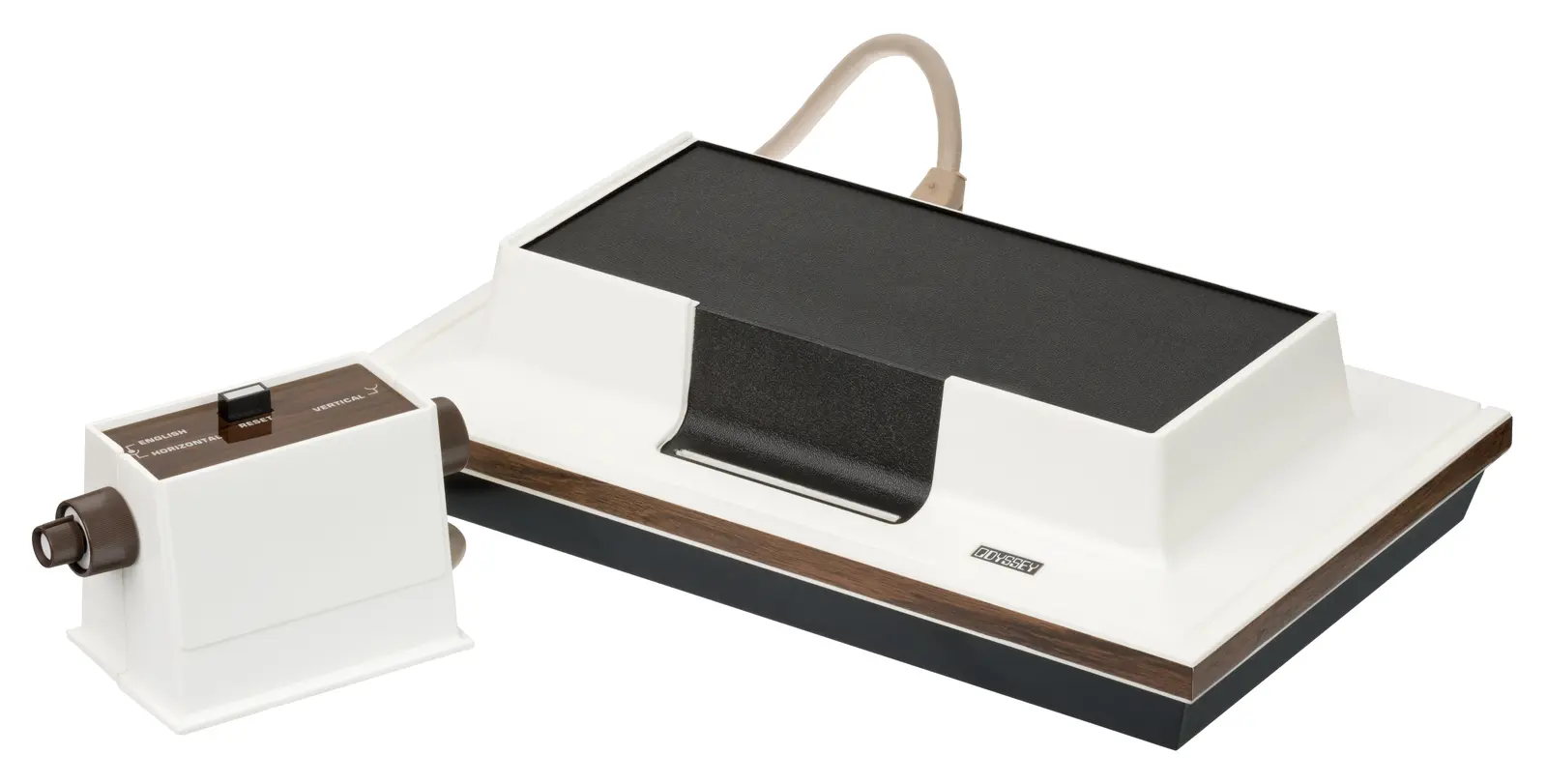
Magnavox Odyssey
The first home video game console: silent, monochrome and built without a processor — but supplied with rotary controllers, screen overlays and a box full of game components.
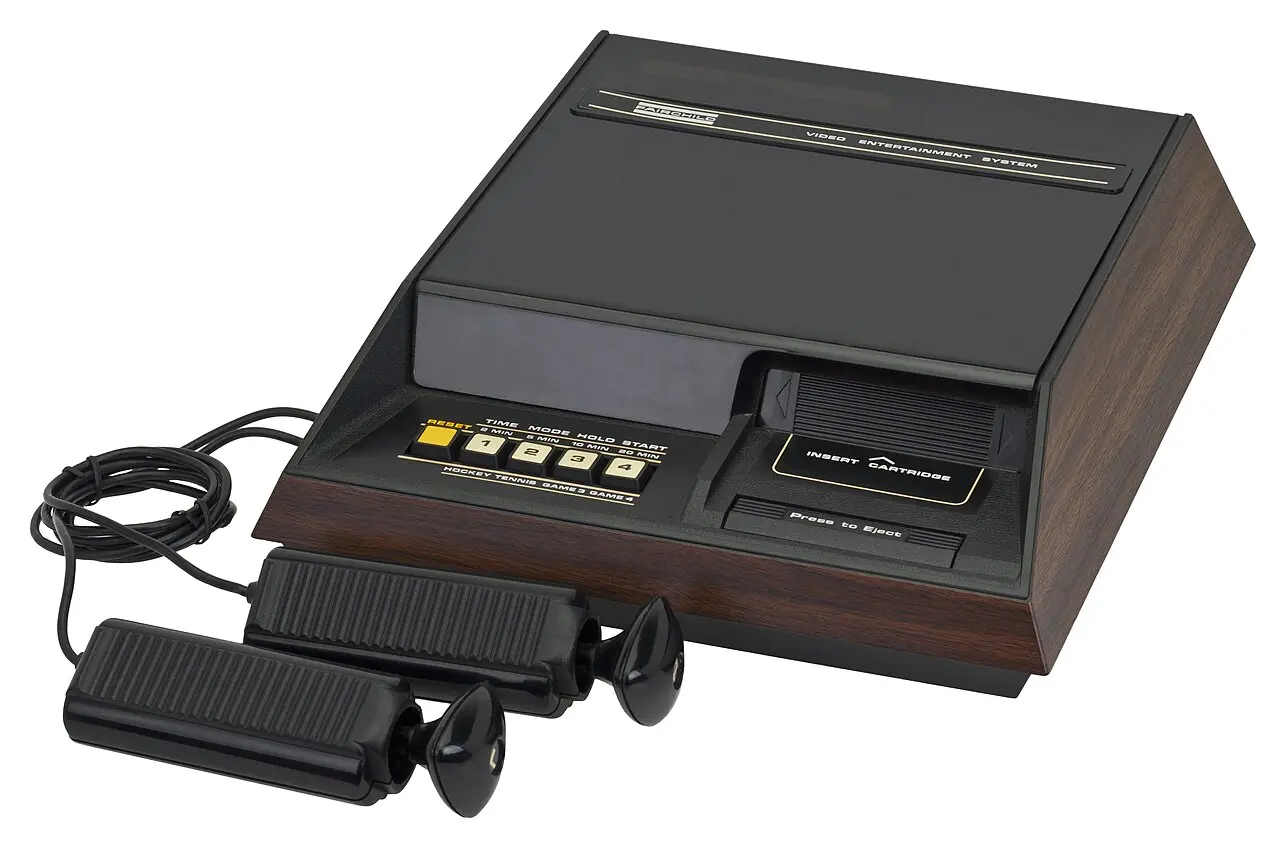
Fairchild Channel F
The first console with interchangeable ROM cartridges: the pioneering system created by Jerry Lawson's team turned the game machine into a platform.
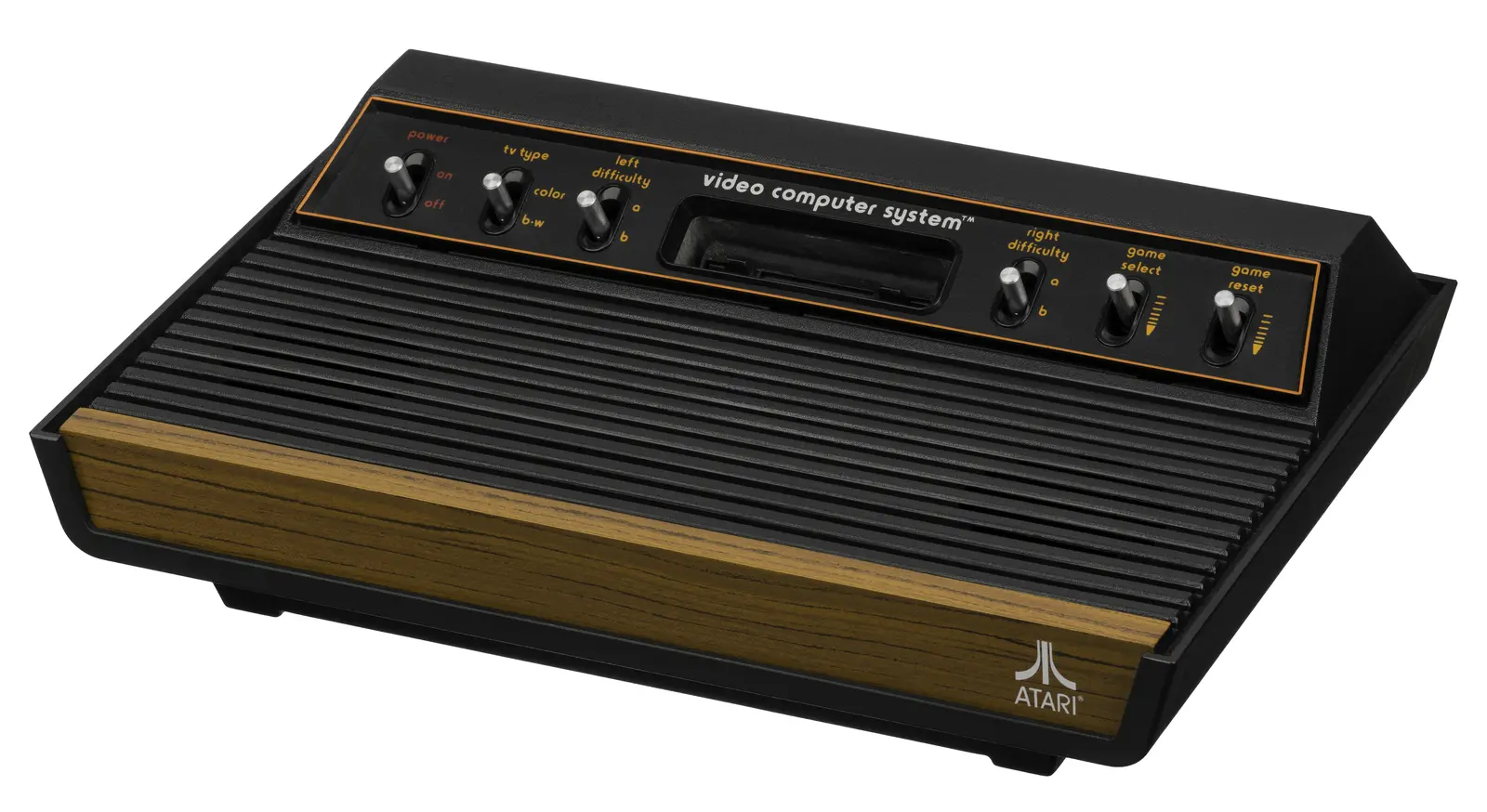
Atari VCS / 2600
The console that turned cartridges, joysticks and arcade hits into mass culture — and forced programmers to invent visual tricks with 128 bytes of RAM.
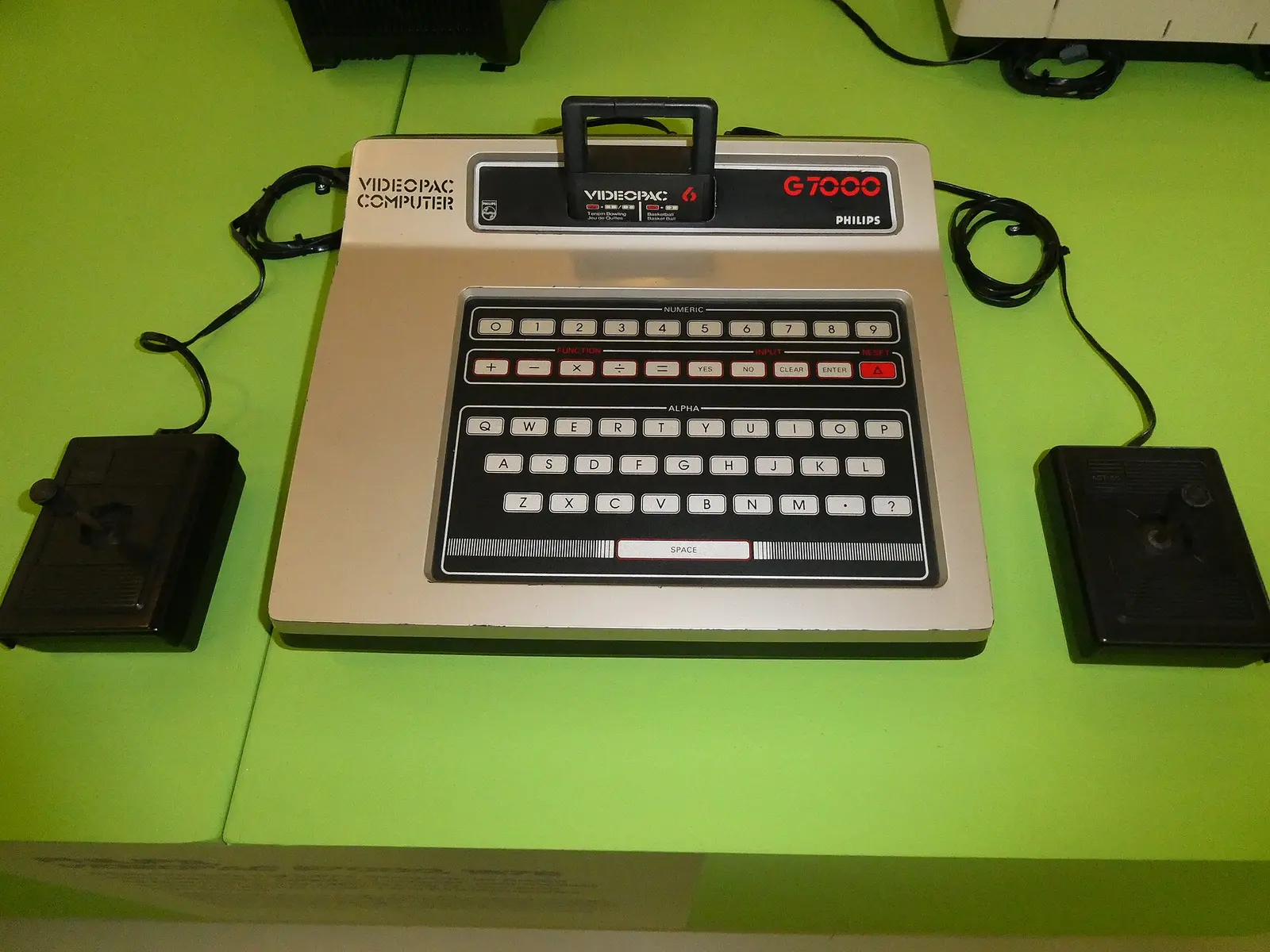
Philips Videopac G7000
Europe's Odyssey, with a keyboard, numbered multilingual cartridges and its own catalogue of action, puzzle and educational games.
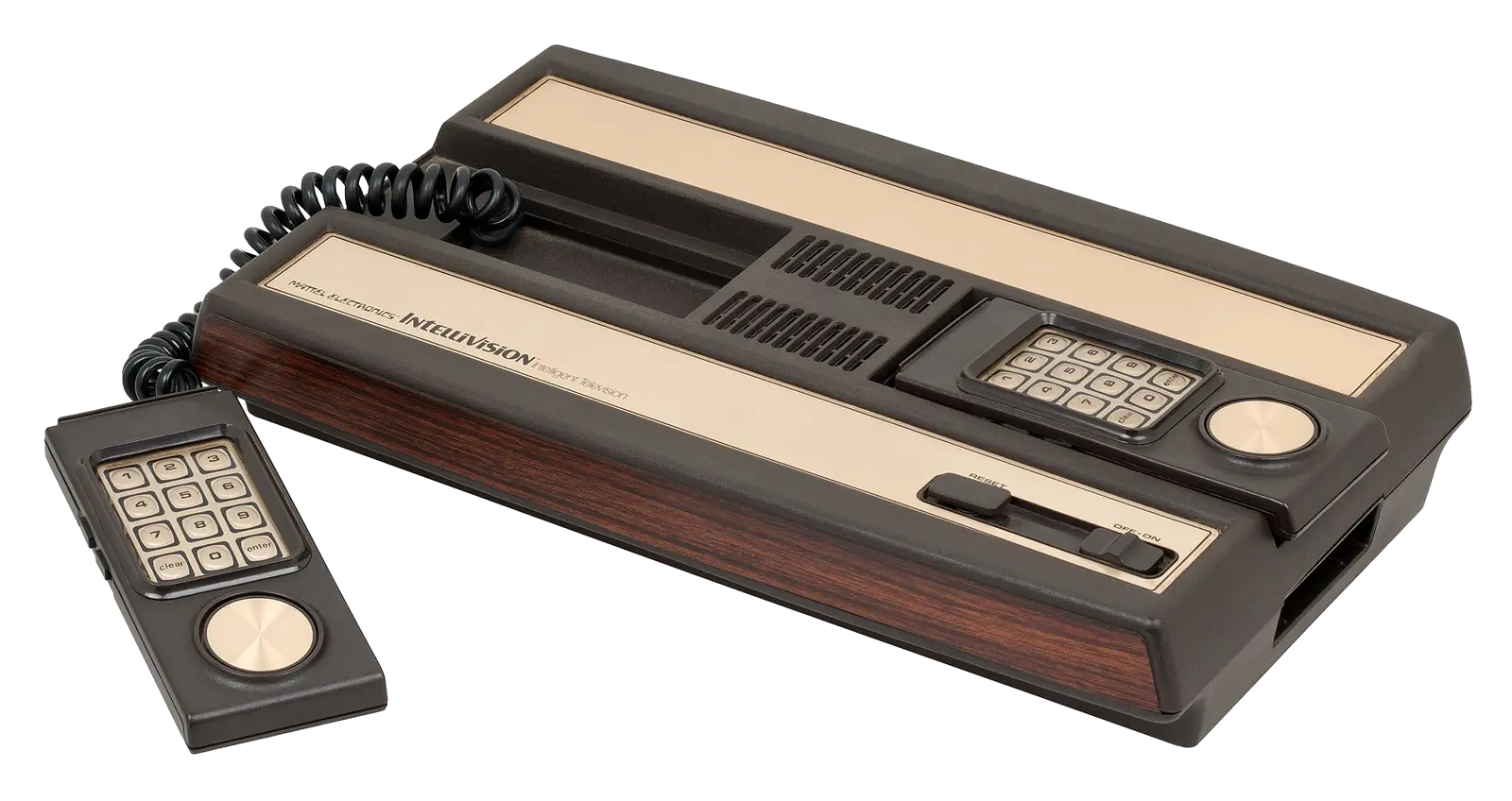
Mattel Intellivision
Mattel's ‘intelligent television’, with detailed sports games, a 16-bit processor, disc controllers, keypad overlays and grand expansion plans.
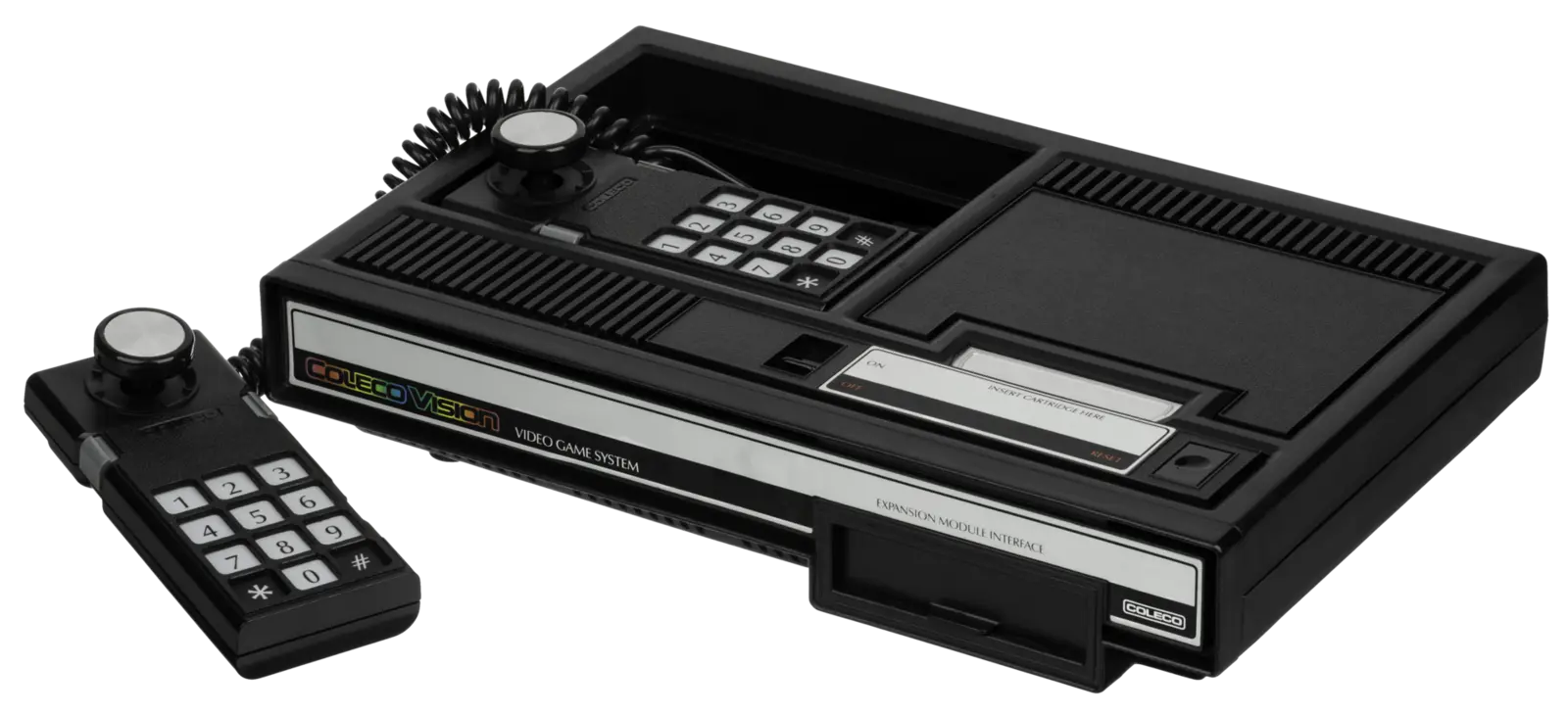
ColecoVision
The console that tried to bring the arcade home, with Donkey Kong in the box, colourful conversions and conspicuous expansion modules.
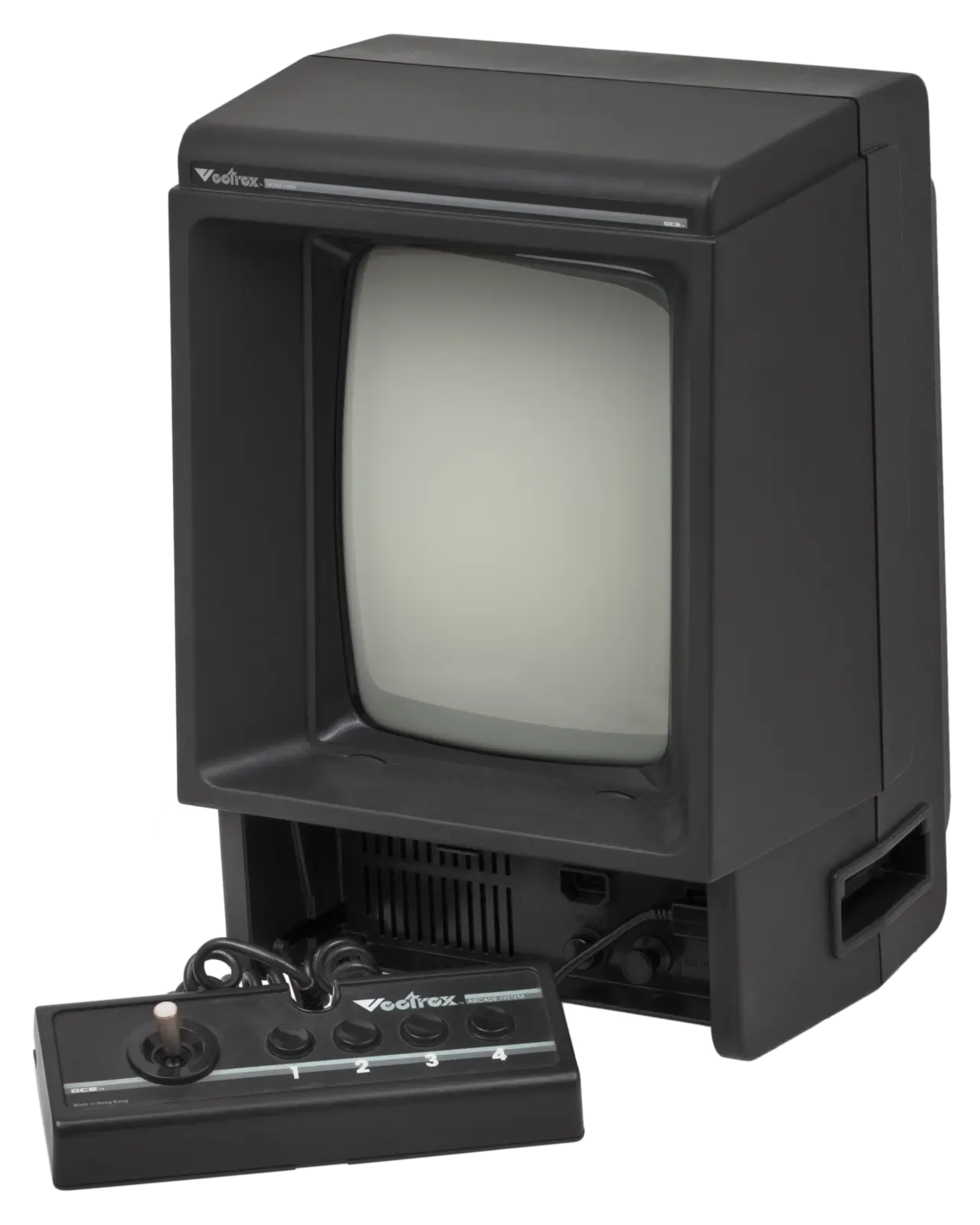
Vectrex
The self-contained miniature arcade with its own vector display, analogue controller, built-in Mine Storm and transparent overlays that coloured its lines of light.
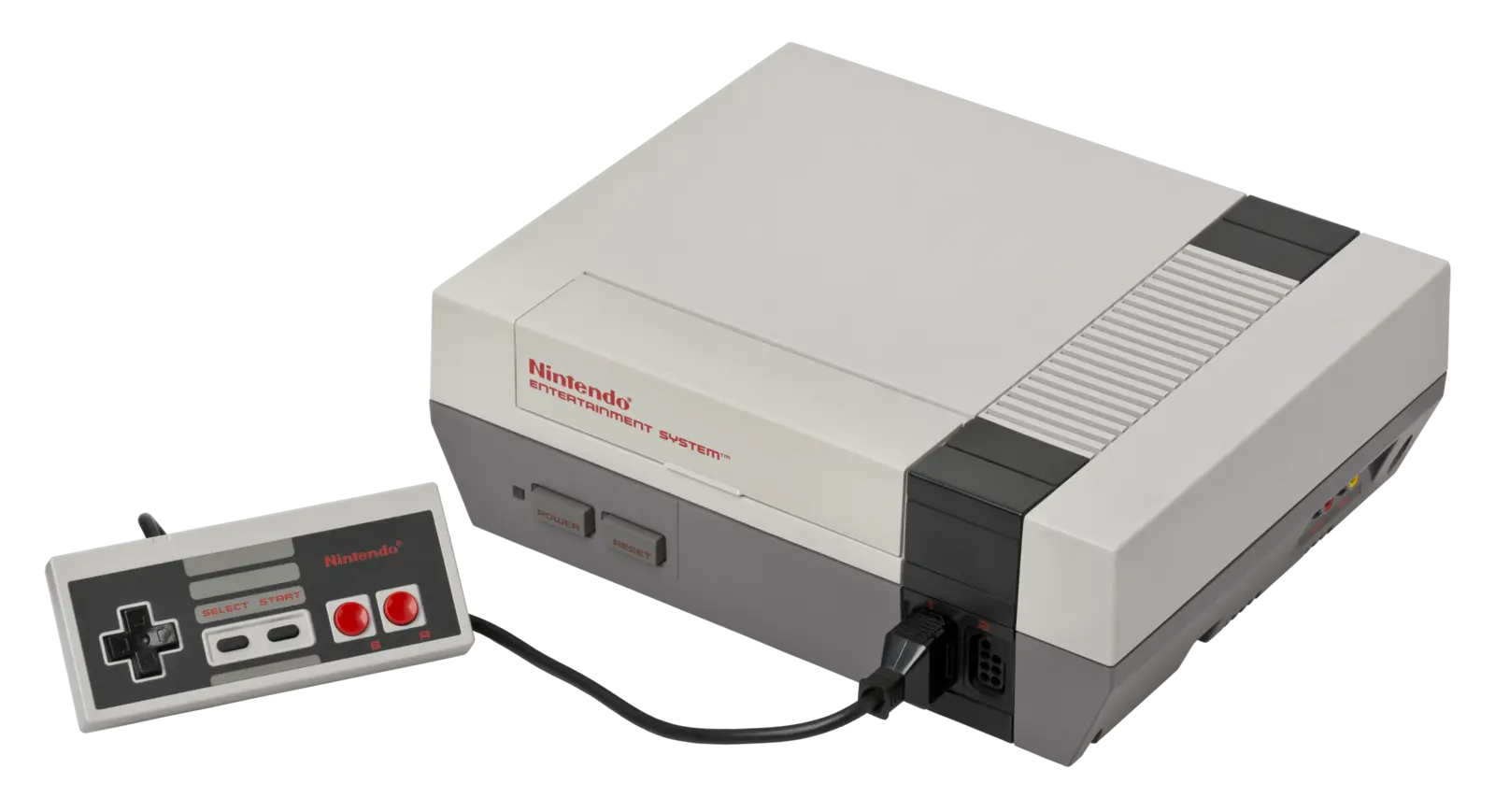
Famicom / NES
How Nintendo invented the same technology twice: as the playful Japanese Family Computer and the restrained Western Entertainment System.
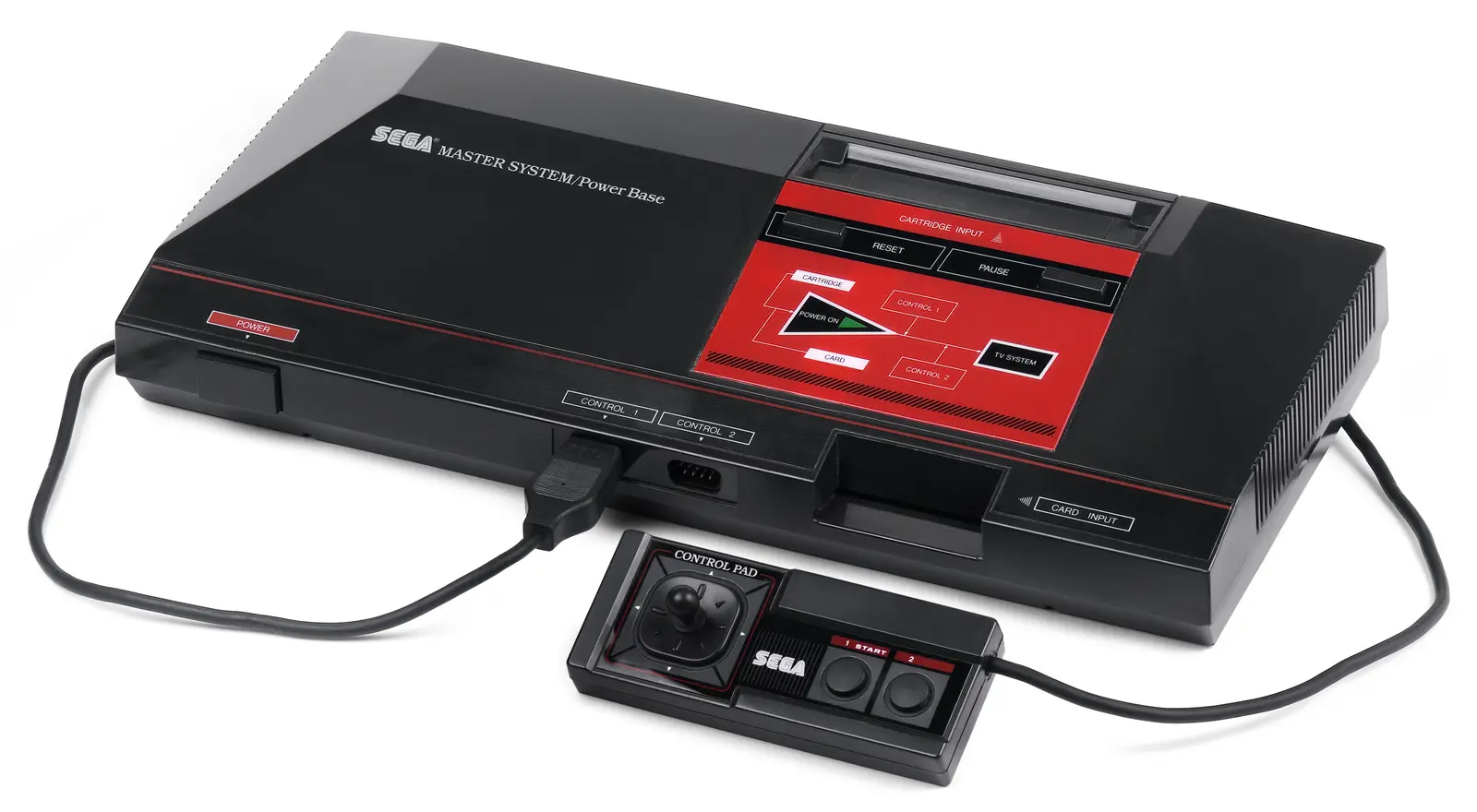
Sega Master System
Not an American footnote, but one 8-bit machine with three lives: Japan’s Mark III, a European challenger and a Brazilian institution.
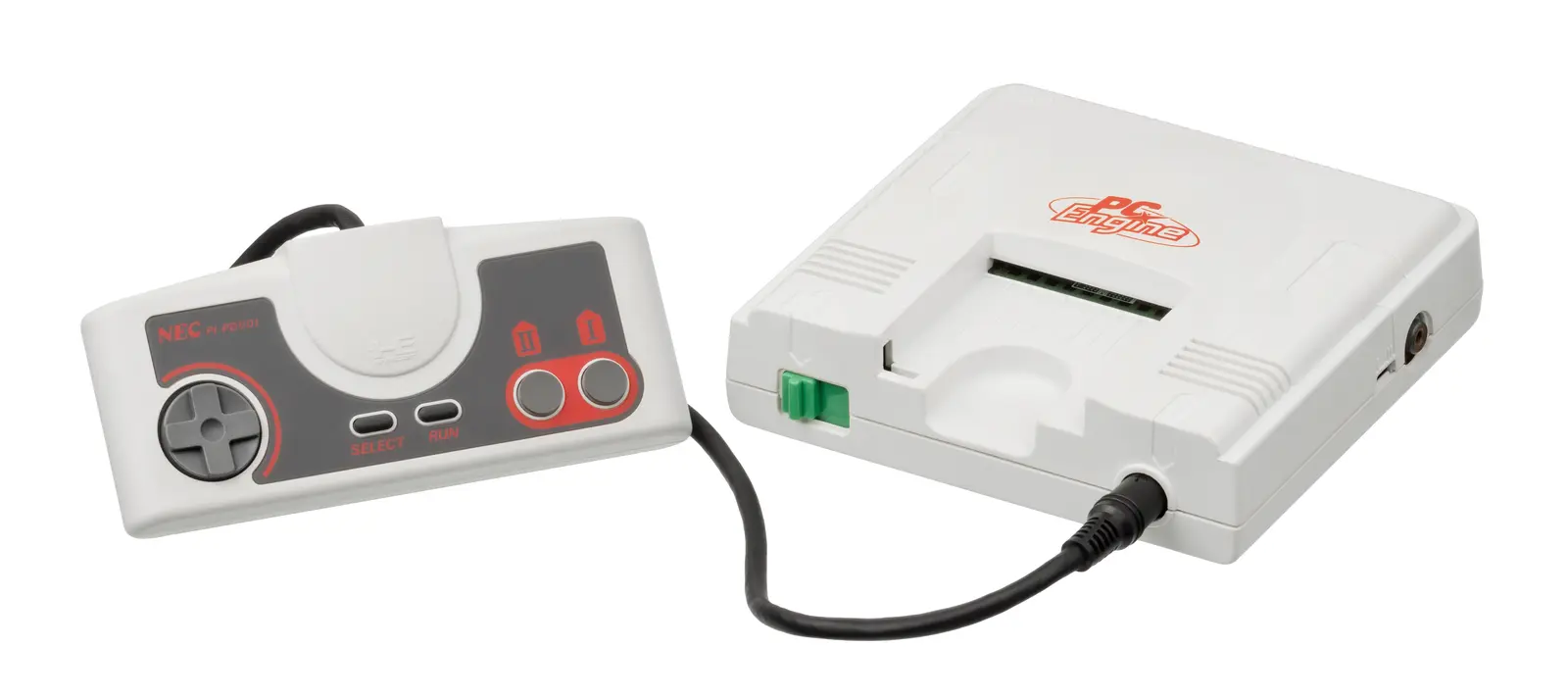
PC Engine / TurboGrafx-16
The same hardware as a confident Japanese mini-console and an enlarged American ‘16-bit’ system — with HuCards, five players and an early CD-ROM future.
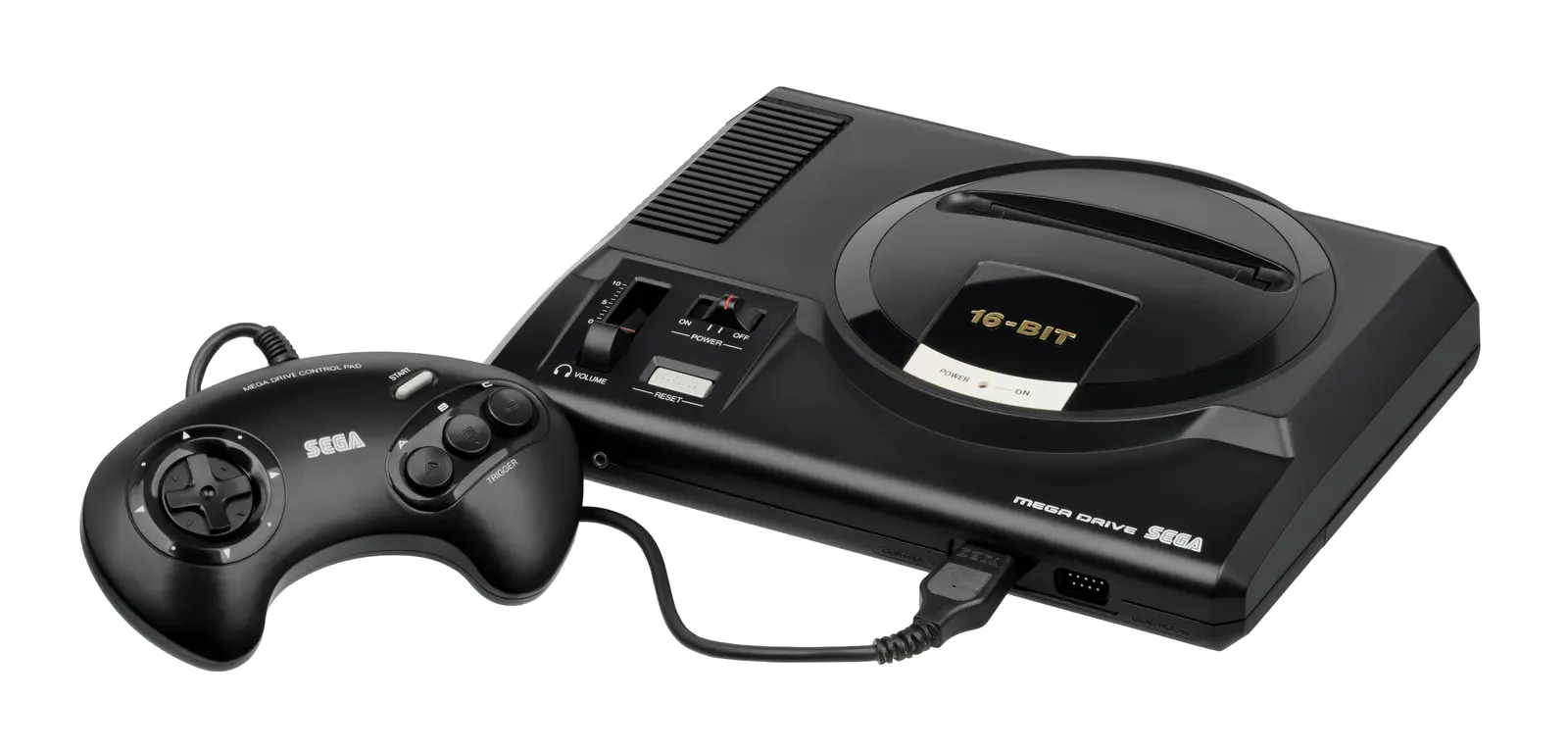
Sega Mega Drive
How Sega put its arcade experience inside a black living-room machine — then gave the same technology a different attitude in Japan, America and Europe.
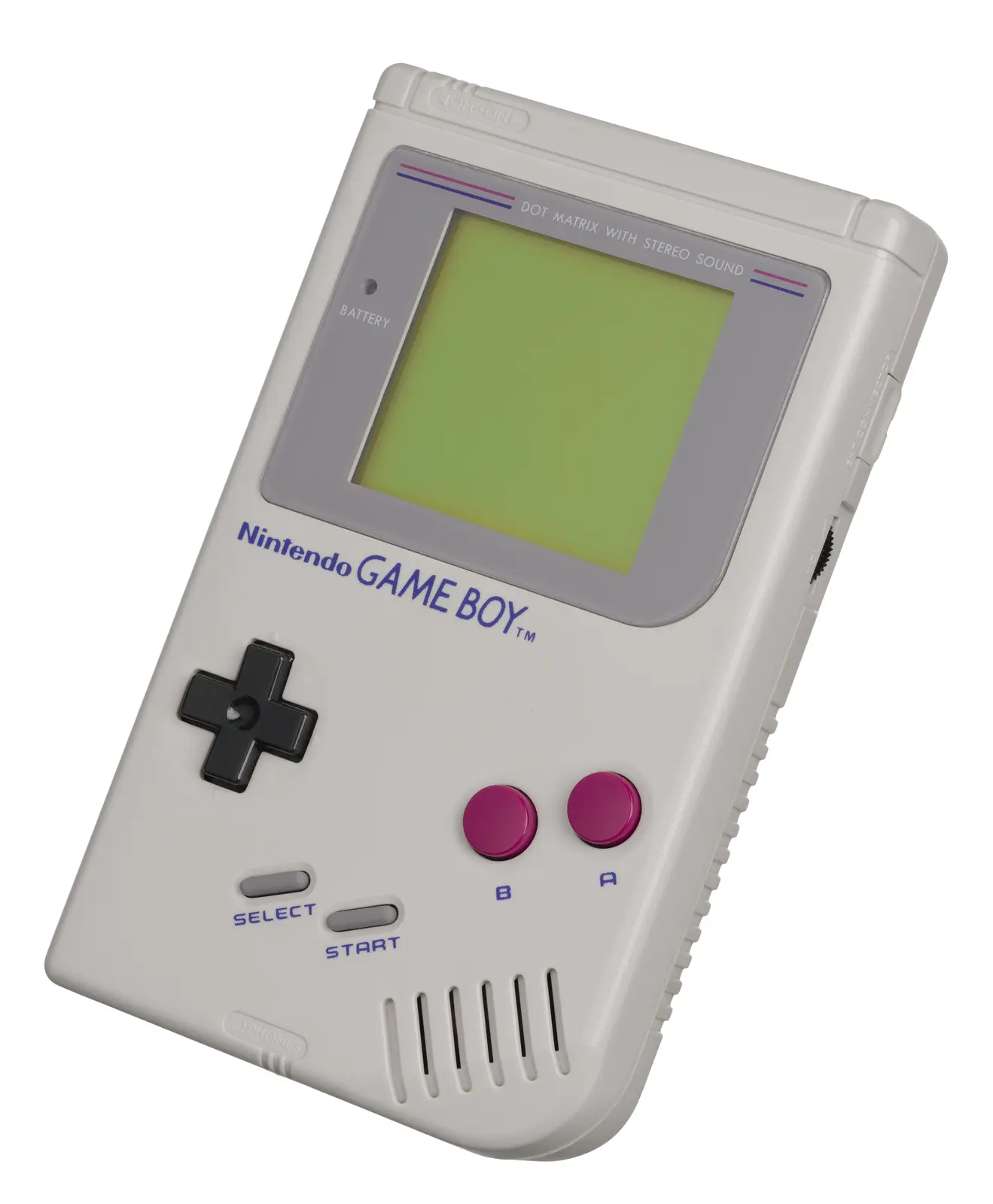
Nintendo Game Boy
The console for in-between time: four green shades, long battery life and a cable that turned a personal screen into a social platform.