Beyond the main line
The outliers among game consoles
Machines that refuse to sit neatly inside the usual generations: too idiosyncratic, too hybrid or simply released at the wrong moment.
A series of their own
Ten strange lives
Not every system became a success. The detours, clashing ideas and misunderstandings are precisely what make these machines interesting.
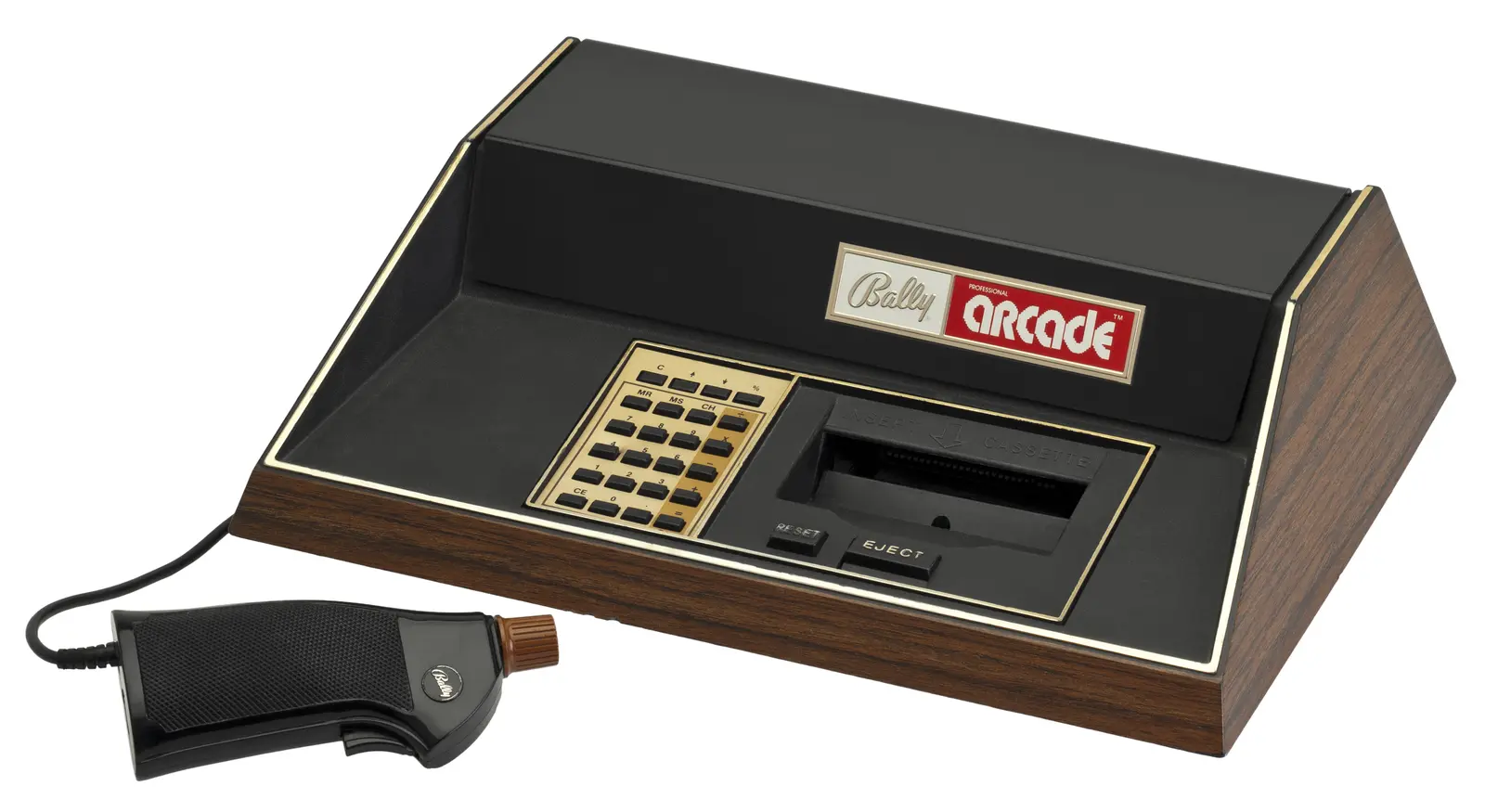
Bally Astrocade
Arcade machine, four-player console, programmable computer and image instrument in one — with BASIC code literally sharing space with the pixels.
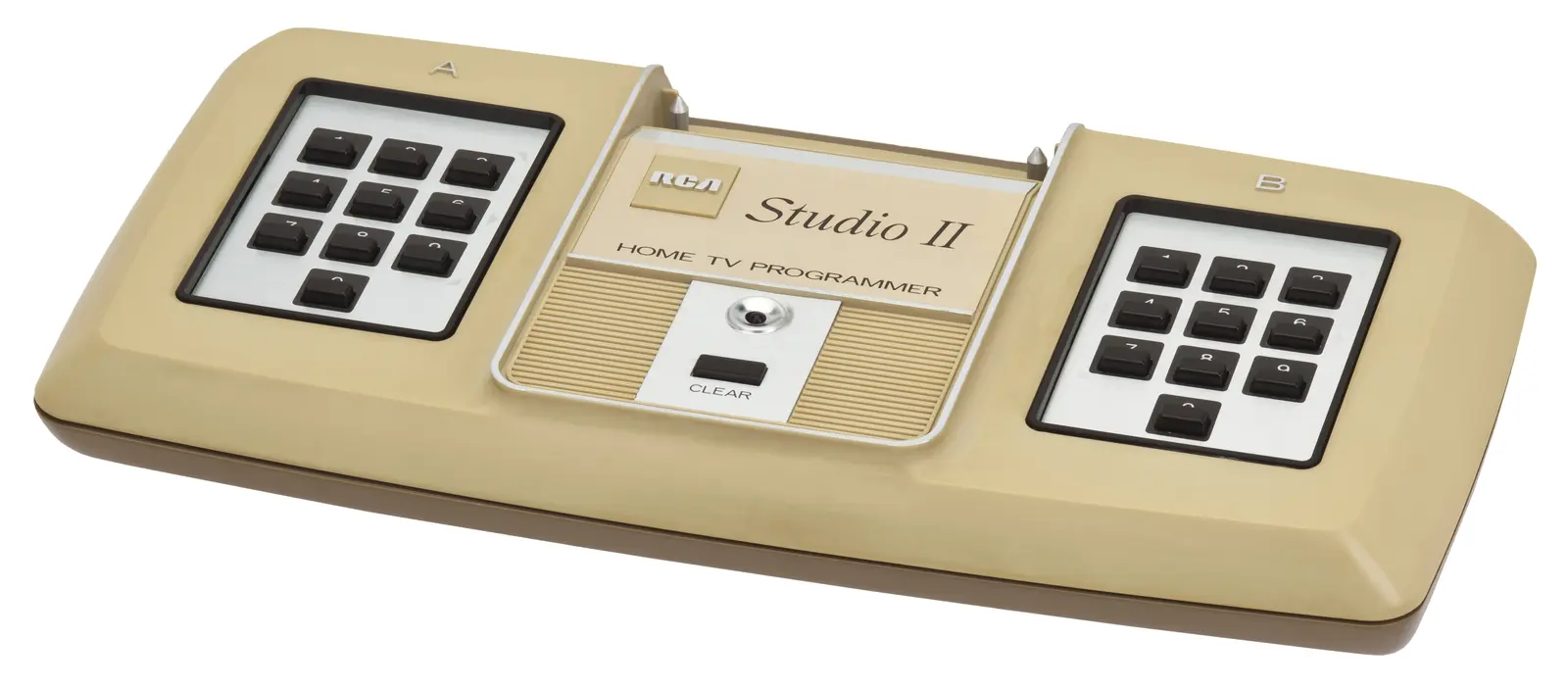
RCA Studio II
An early cartridge console with a personal-computer family tree, but also monochrome graphics and two number pads that literally tethered its players to the machine.
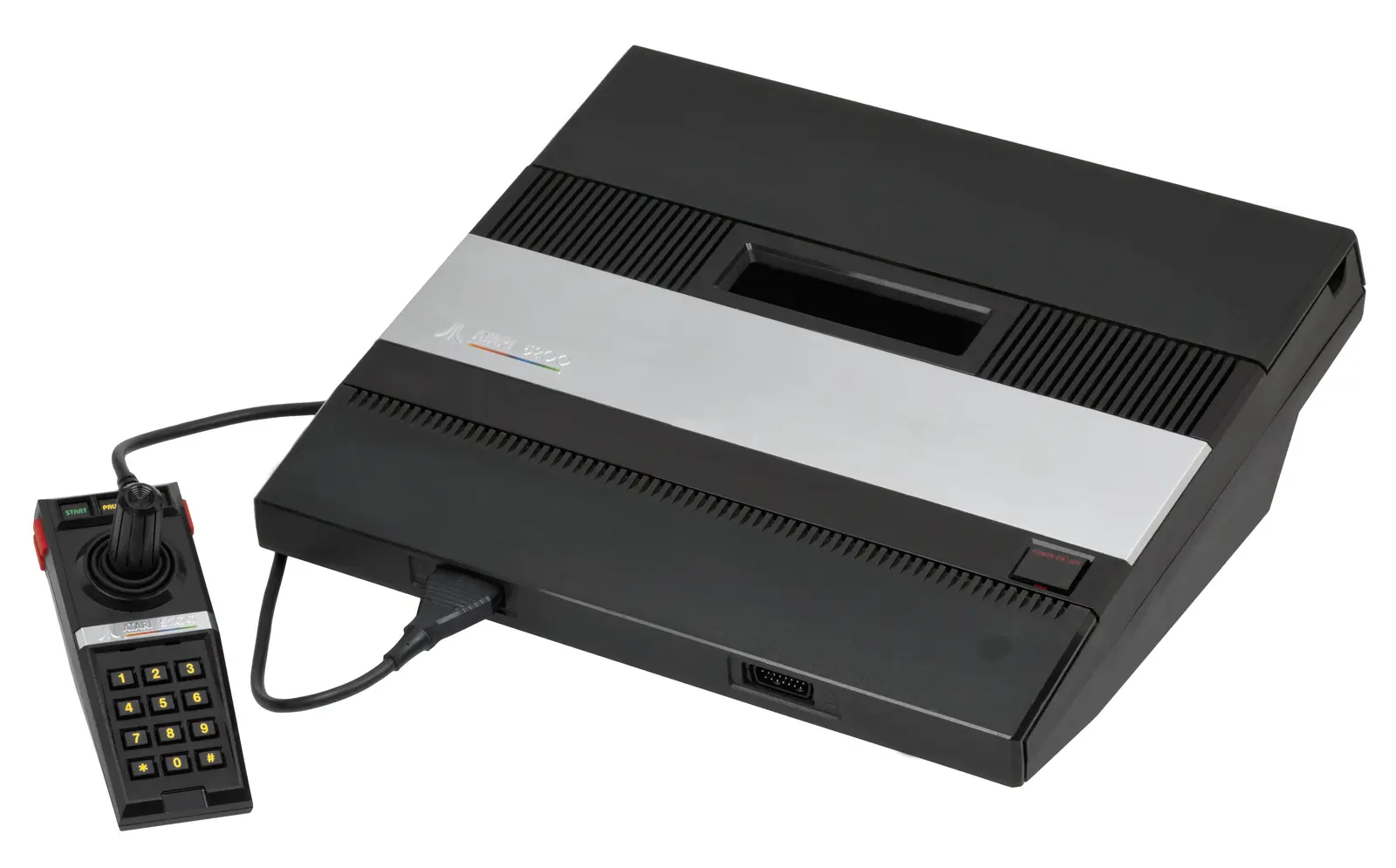
Atari 5200
A console full of forward-looking ideas — analogue control, a pause button and four ports — that played better on paper than in the hand.
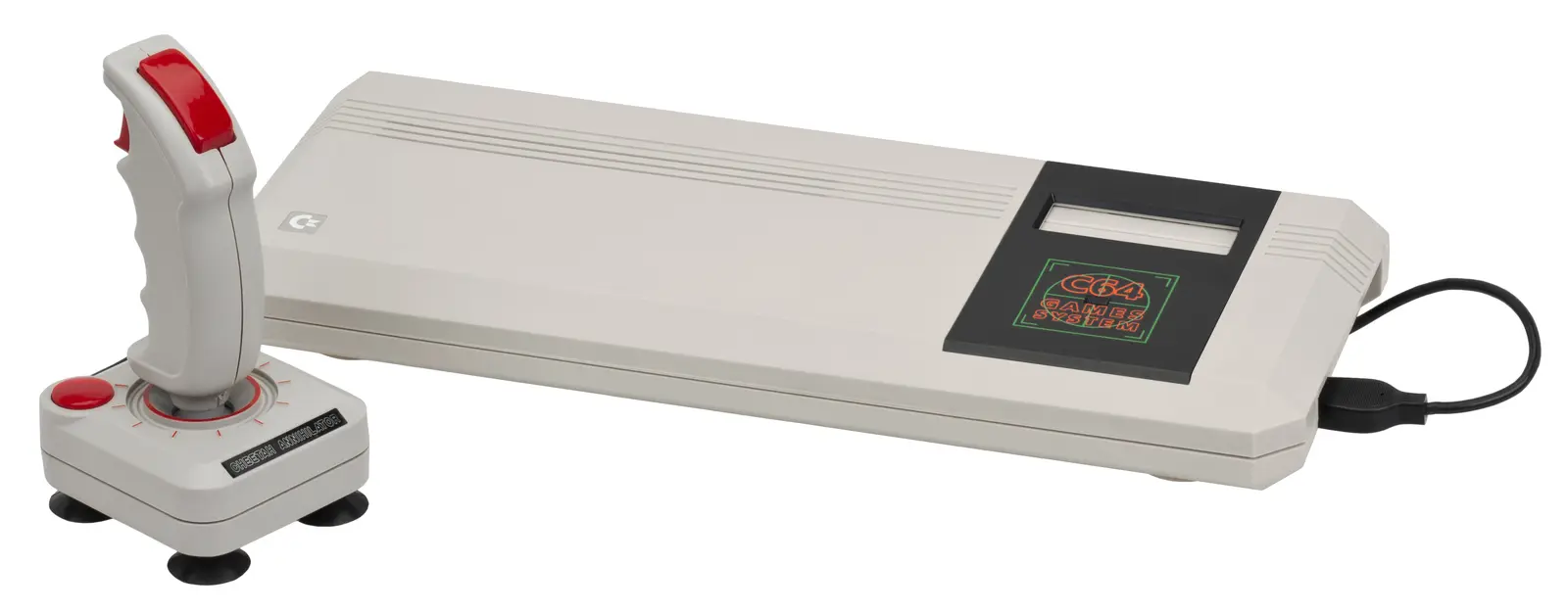
Commodore 64 Games System
Commodore made C64 into a console by removing its keyboard, storage and programmability — and lost the machine’s greatest strength.
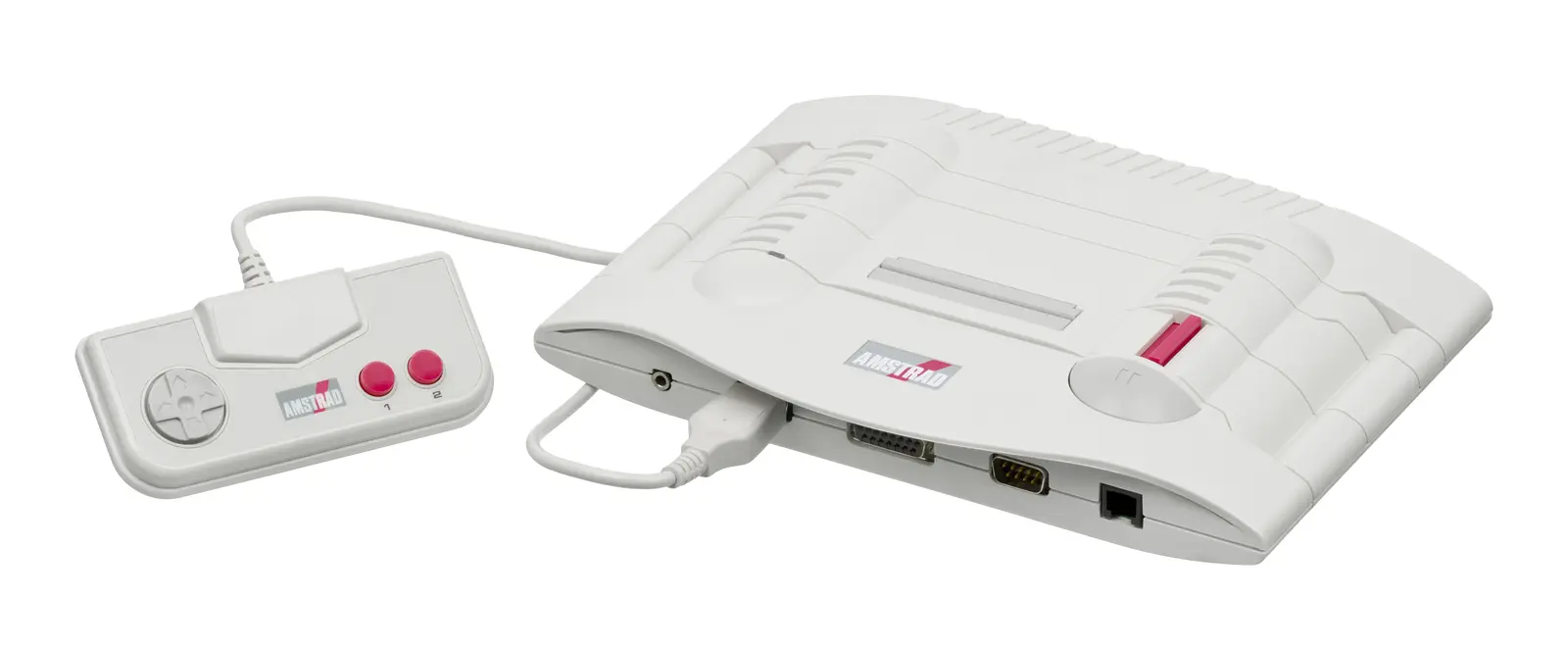
Amstrad GX4000
A genuine technical future for the CPC—hardware sprites, smooth scrolling and 4,096 colours—arriving just as the market’s future moved to 16-bit.
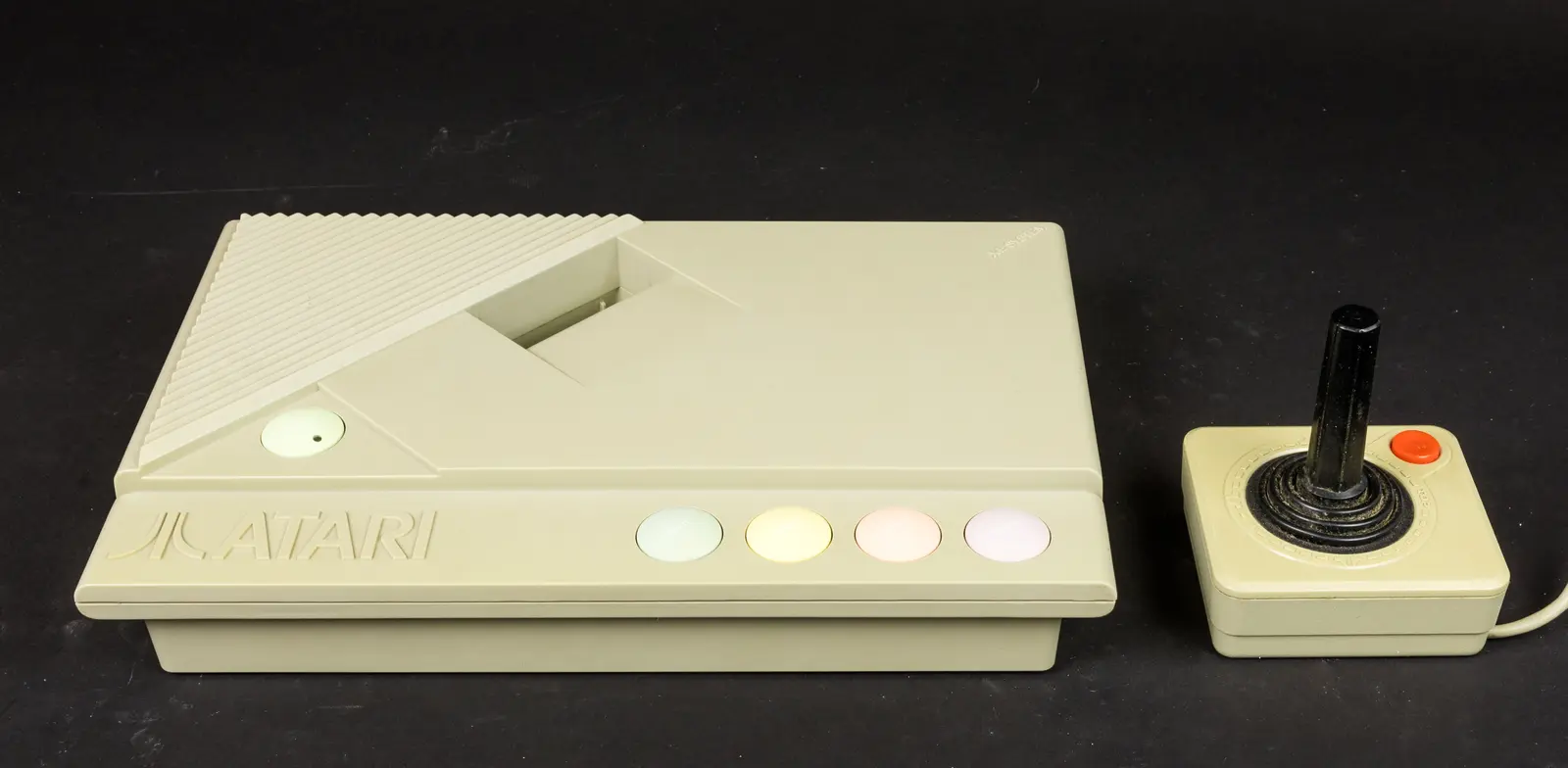
Atari XEGS
A console that started Missile Command without its keyboard and Atari BASIC with it—one cable changing what the machine believed it was.
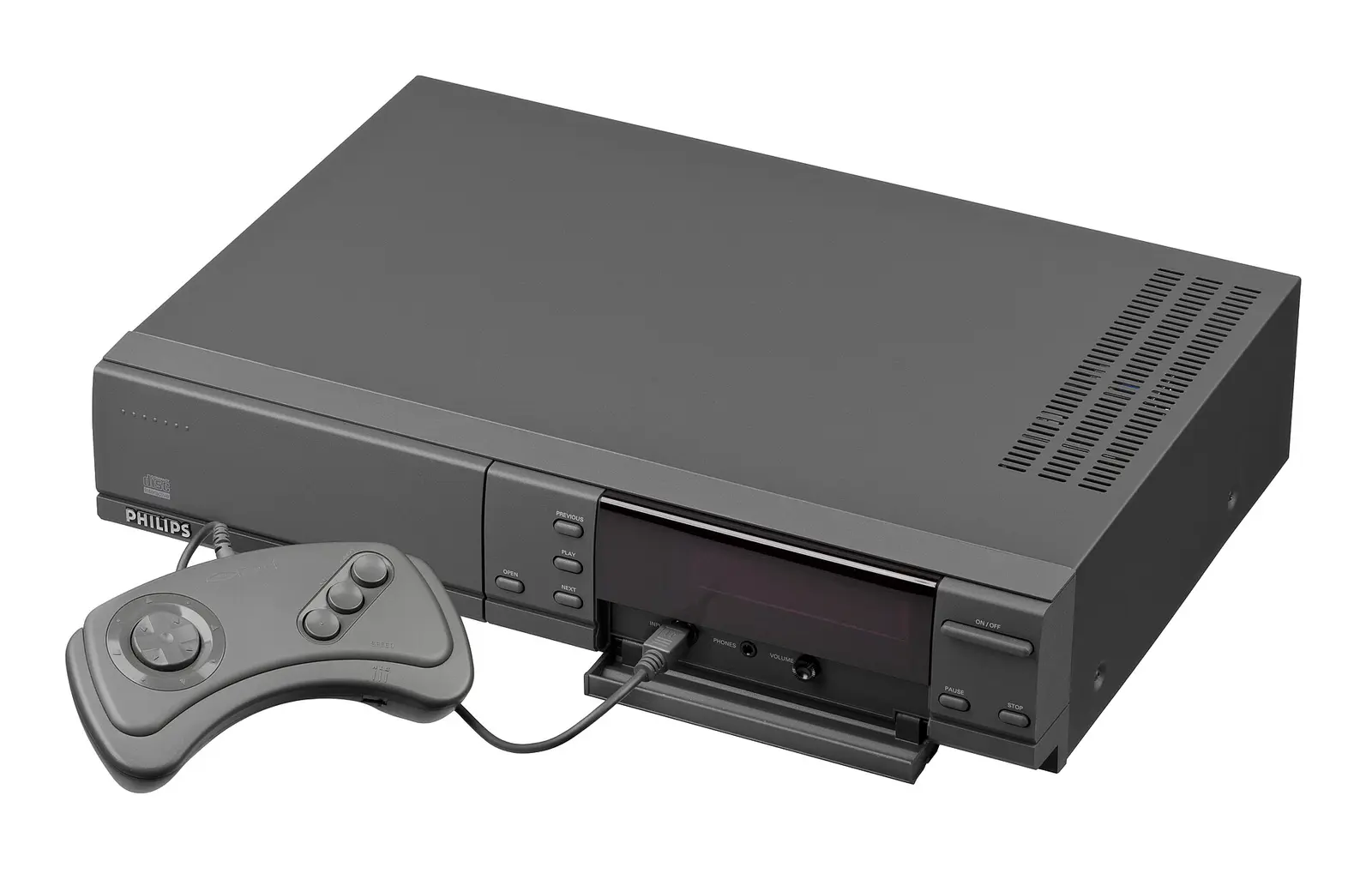
Philips CD-i
A multimedia player that tried to make music, films, encyclopaedias and games one category—and only later learned to call itself a console.
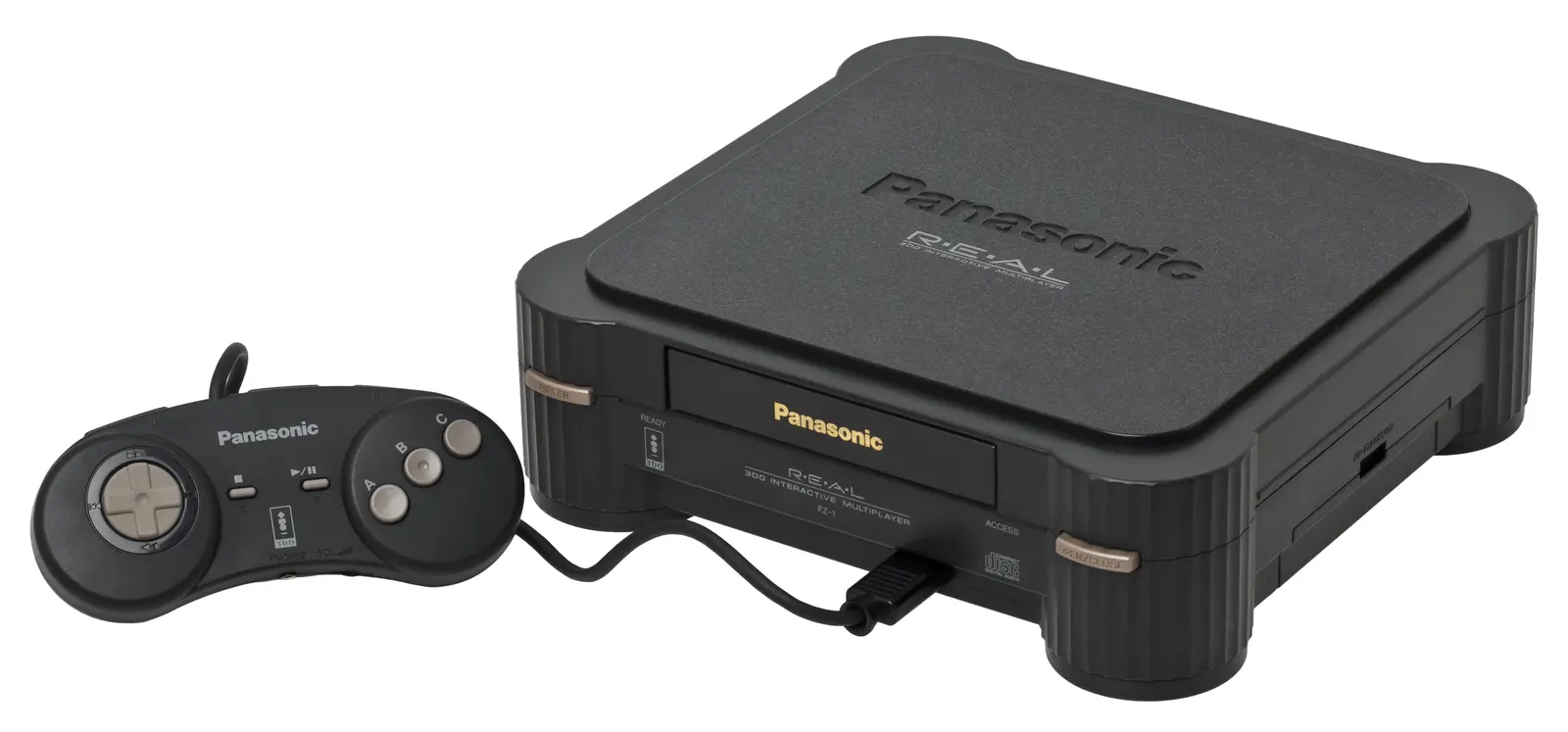
3DO
Not one manufacturer’s console but a hardware standard that Panasonic, GoldStar and Sanyo could each build into a different case.
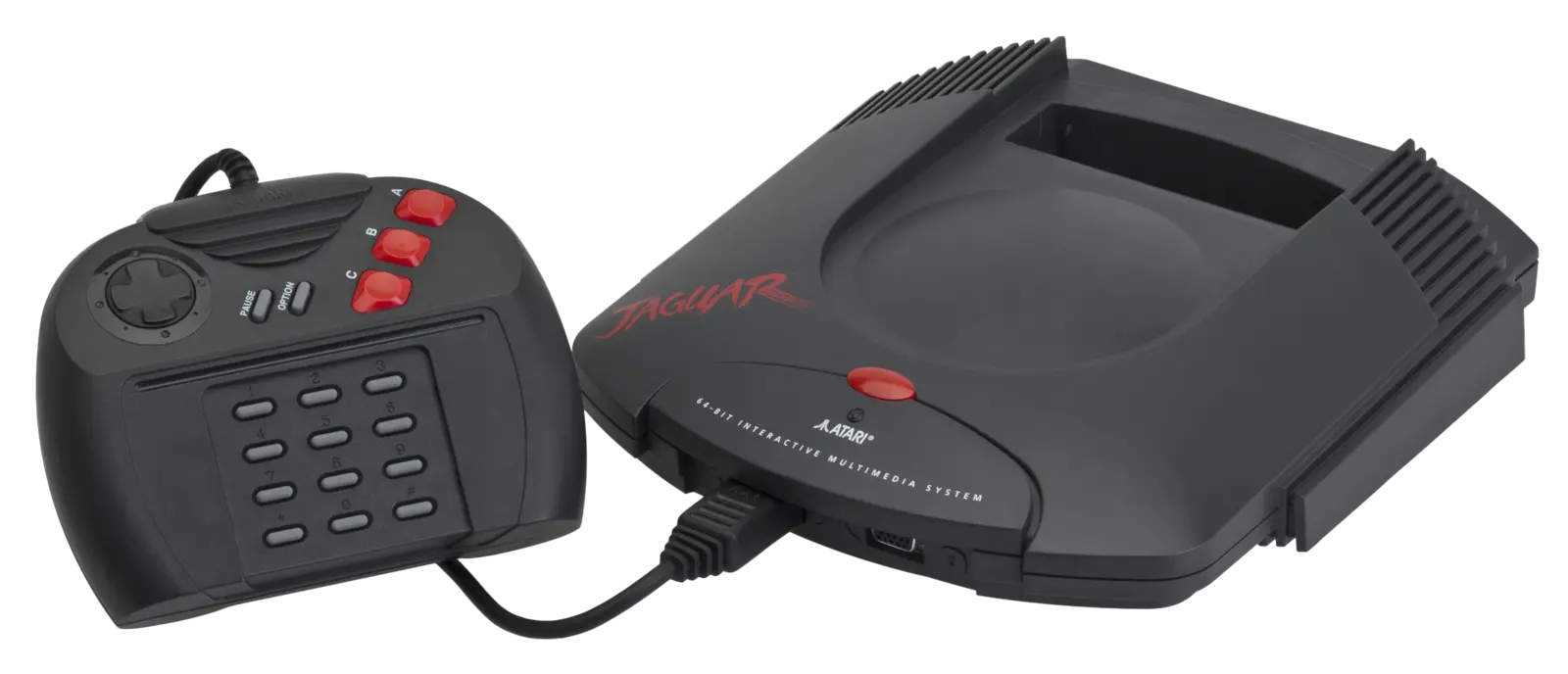
Atari Jaguar
A complex orchestra of processors sold as one simple promise: 64-bit. The advertising asked for arithmetic; the hardware demanded choreography.
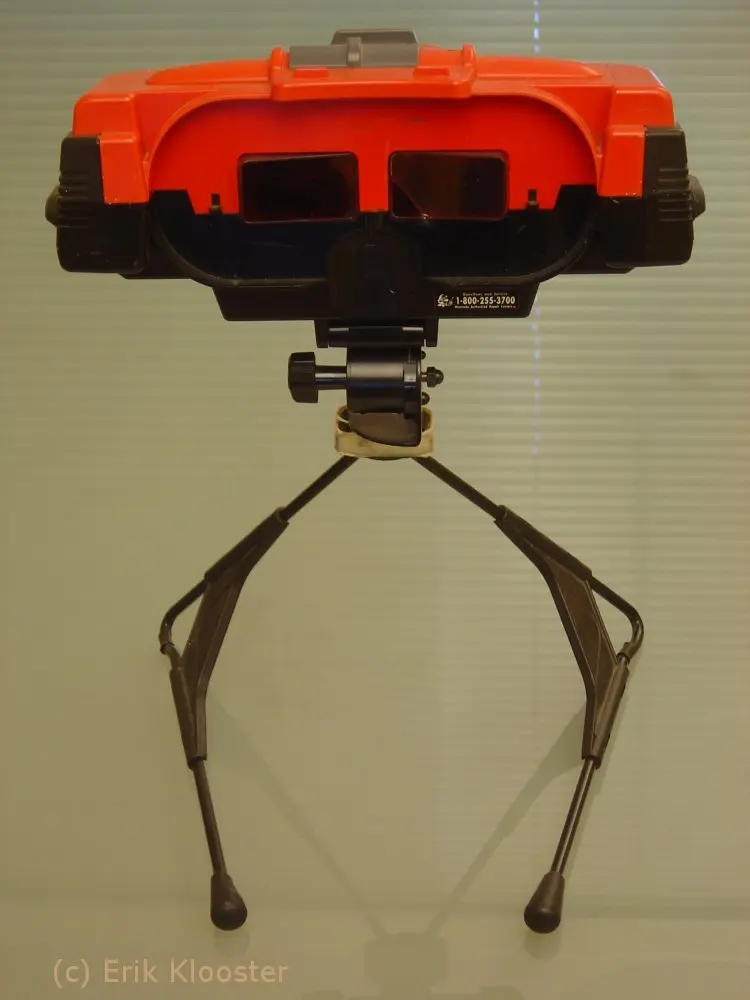
Nintendo Virtual Boy
A screen built for one pair of eyes: real stereoscopic depth obtained by giving up colour, movement, spectators and true portability.