Failed promises / Part 6
The CD-ROM as the successor to the book
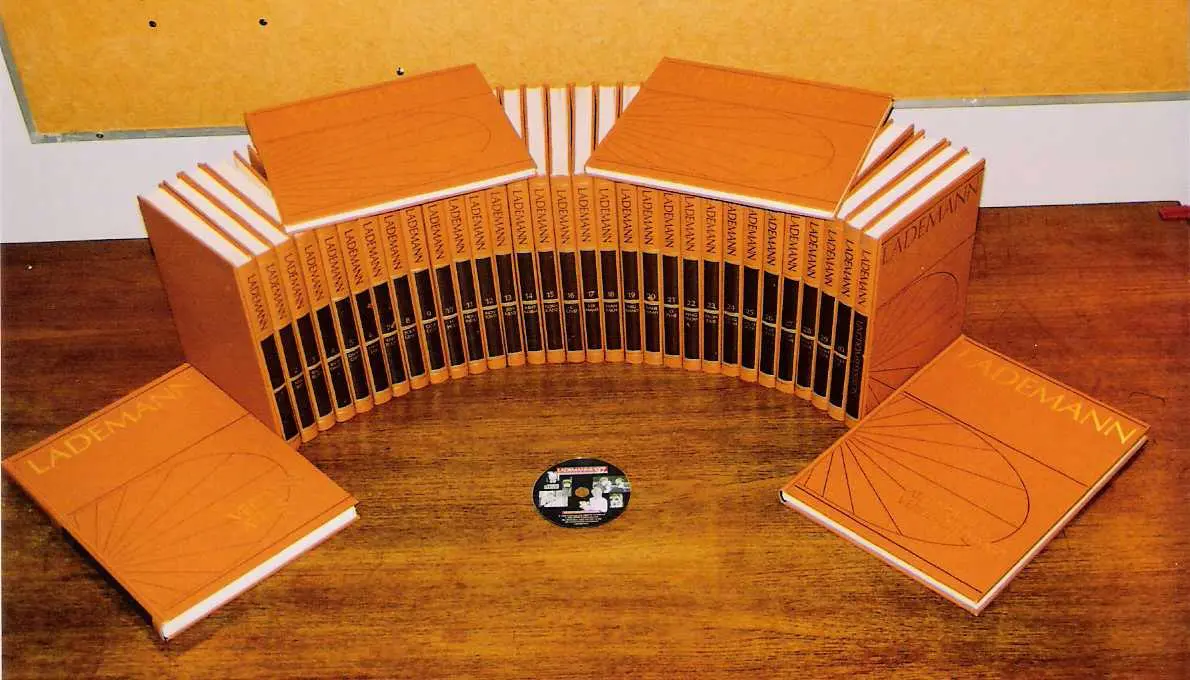
A complete encyclopedia, atlas, language course and art collection on one shining disc. CD-ROM appeared to make the book both smaller and smarter.
01 / The promise
A library twelve centimetres wide
A book had weight, dimensions and a fixed number of pages. A CD-ROM could contain hundreds of megabytes of text, images and sound.
In the 1980s and 1990s, this looked fundamental. An encyclopedia no longer needed dozens of volumes. An atlas could zoom, a language course could pronounce words, and a history book could show film. A search found a name in seconds that would otherwise require a printed index.
Publishers and computer companies did not merely describe another storage medium. CD-ROM would create a new kind of book: interactive, searchable and multimedia. The reader became a user who could choose a personal route through information.
The promise was irresistible. Everything that could be printed could fit on a disc — and there it could move, speak and play music.
02 / Enormous capacity
From piles of floppy disks to one silver disc
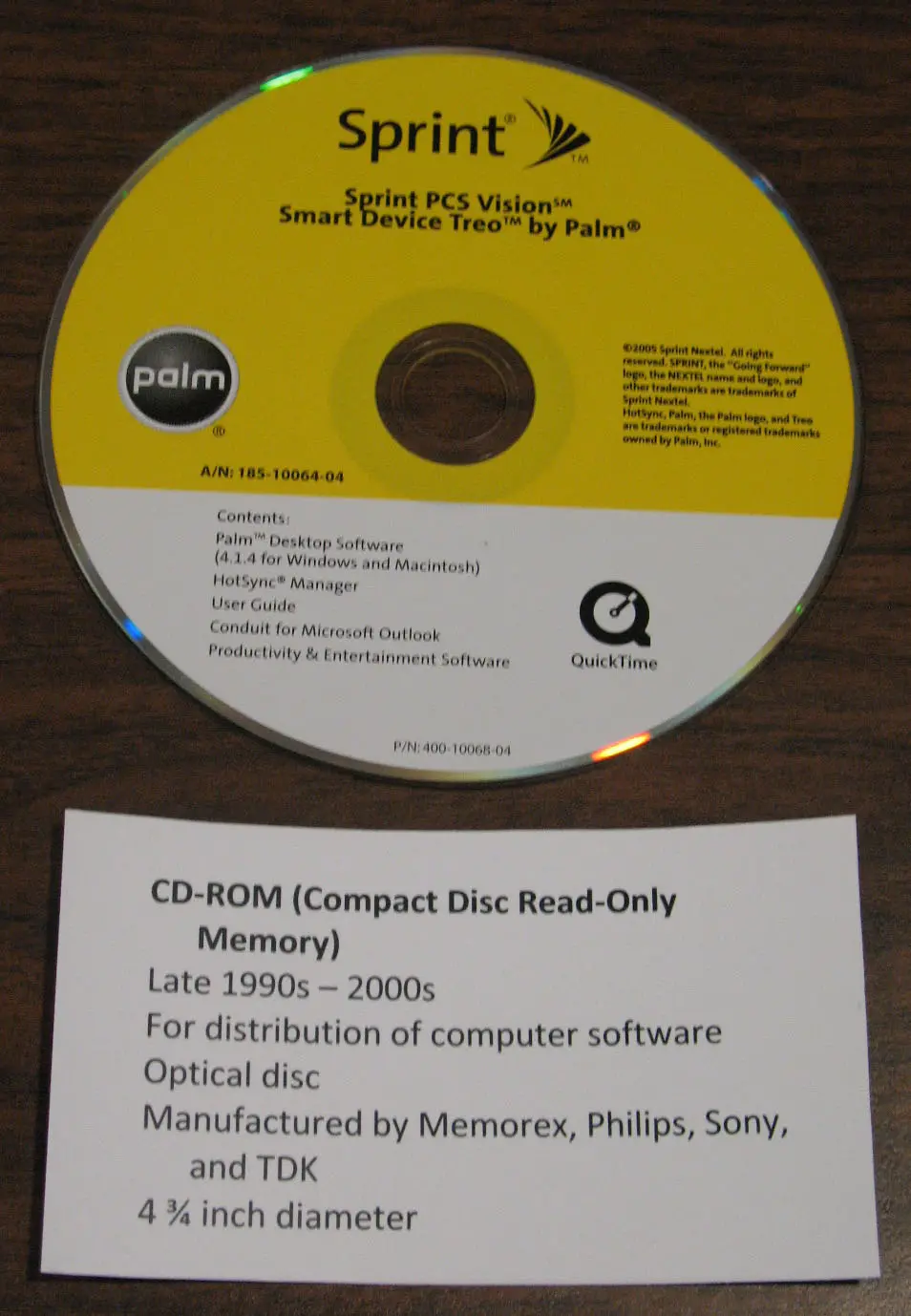
A CD-ROM held roughly 650 megabytes — hundreds of times more than a typical PC floppy.
The compact disc had been developed for music. Philips and Sony launched the system in 1982. The same optical technology could store computer data, and CD-ROM was standardised in the mid-1980s.
Microsoft released Bookshelf in 1987, its first CD-ROM application. One disc combined ten reference works, including dictionaries, a book of quotations, an almanac and a spelling guide. The computer had become a personal reference library.
Read-only was both strength and limitation. Information was fixed at the factory and could not be changed at home. Mass production was reliable, but an error, obsolete figure or new world event remained until the next edition.
03 / The book gains sight and sound
Multimedia would turn reading into experience
An article about Beethoven could play music; a bird description could include its call.
Anatomical models could be examined layer by layer. Timelines, maps and diagrams reacted to a click. Users did not read from cover to cover but jumped between subjects through links.
Publishers spoke of interaction, discovery and exploration. A book was no longer presented as a sequence of pages but as an environment. CD-ROM appeared to be library, museum, classroom and playroom at once.
The new form had no established grammar. Some titles were sober reference works; others resembled games. Buttons appeared everywhere, videos opened in tiny windows, and animations sometimes mattered more than information. Multimedia became a sign of quality before anyone knew what it added to reading.
04 / The encyclopedia becomes software
Encarta turned knowledge into a computer product
Microsoft’s 1993 Encarta combined articles with photographs, maps, sound, animation and video.
A traditional encyclopedia projected authority through scale and leather bindings. Encarta impressed with colour, movement and a fast search box. Printed encyclopedias could cost more than a thousand dollars; a CD-ROM cost a fraction and was often bundled with a new computer.
Encarta did not initially have to be more complete than Encyclopaedia Britannica. It merely needed to appear more accessible, affordable and attractive. Children could hear animals, play famous speeches and click a world map.
A Dutch edition appeared in 1997 in partnership with Winkler Prins. A familiar encyclopedic name moved from the bookcase into Windows, combining translated material with Dutch and Flemish subjects.
05 / The multimedia PC
A CD-ROM drive completed the family computer
By the mid-1990s, new computers came with speakers, a sound card and often a stack of bundled discs.
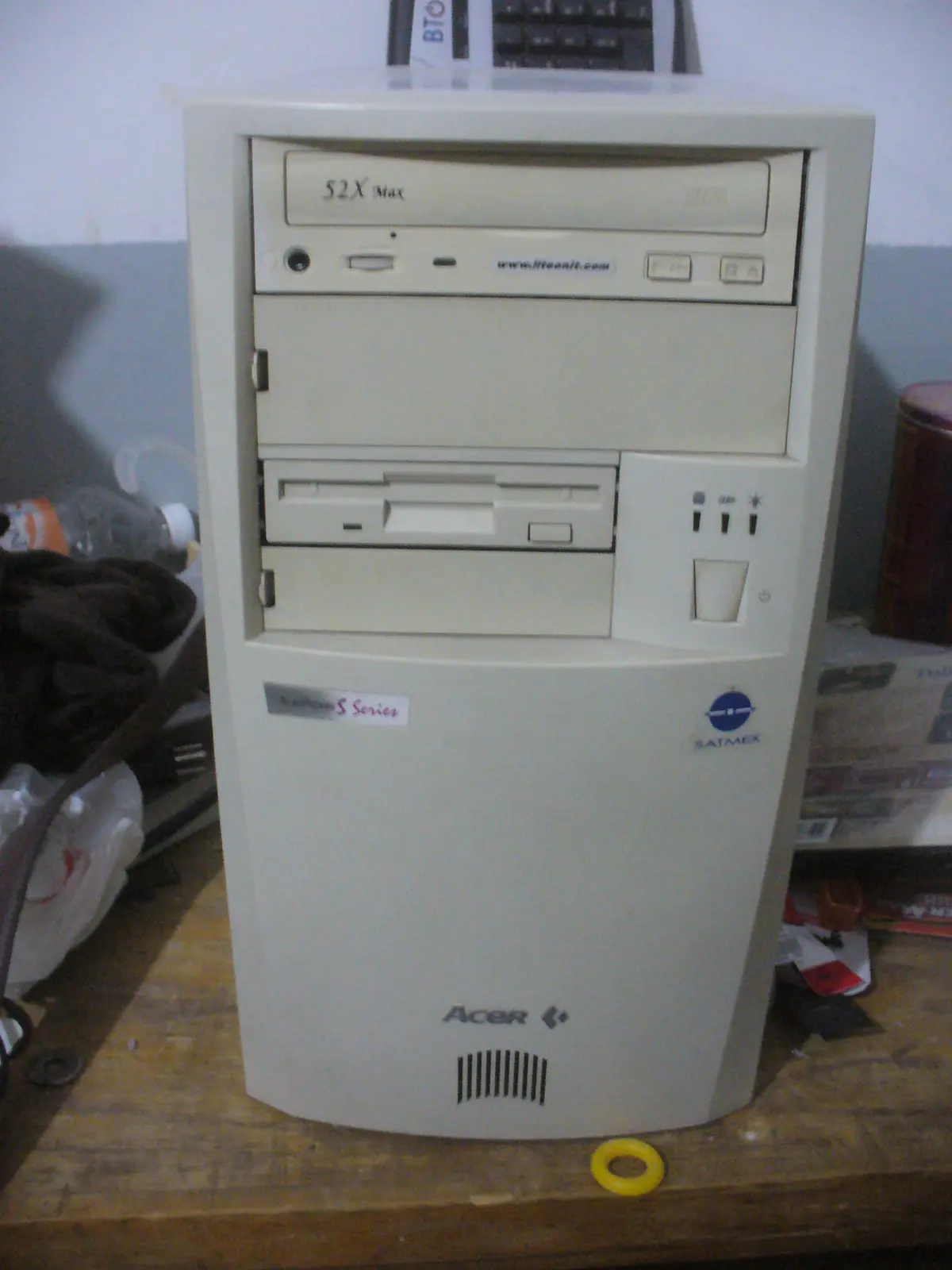
The range included encyclopedias, atlases, cookbooks, driving-test trainers, medical guides, art collections and language courses. Children explored the human body, built virtual inventions and clicked through nature titles full of video and quizzes.
Newspapers saw possibilities too. The Dutch newspaper de Volkskrant announced a CD-ROM edition in 1993. Large bodies of text could be searched without paper archives or microfiche — a real advantage for journalists, students and researchers.
CD-ROM became a transitional medium. It combined the organisation and editorial control of the book with search, links and audiovisual layers that would later belong to the web.
06 / The spectacle
More media did not automatically mean more understanding
A title ideally contained text, photographs, sound, animation and video — even when a clear paragraph would have been enough.
The technical limits were visible. Video played in a small, blocky window. After a click, the drive whirred before anything happened. An audio clip sometimes began after the subject had nearly been forgotten.
Rich production was expensive. Articles needed editing, pictures needed licences, voices were recorded, video was cut and software programmed. Everything then had to work across computers, sound cards, resolutions and versions of Windows or Mac OS.
The result aged quickly. A book remained readable for decades. A CD-ROM only a few years old might refuse to run because a new computer no longer understood its installer, video codec or display setting.
07 / Reading from a screen
The book had virtues that became visible only when they vanished
A book did not boot, had no system requirements and travelled to the sofa, train or garden.
The reader saw two complete pages, flipped rapidly and remembered approximately where information was located. A CD-ROM showed a small section at a time. Users followed links and windows but easily lost the whole. Reading long passages on a CRT was tiring.
CD-ROM excelled at precise searches and brief expeditions. It was often less pleasant for sustained, linear reading. The medium meant to improve the book revealed how much subtle usability had accumulated in centuries of book design.
The opposition was too simple. People did not want one winner. They used a screen to find something and paper to read at length — or chose according to subject and moment.
08 / Knowledge with a date
The world changed faster than the next edition
Content was already months old when the box reached a shop.
Editing, production, testing, pressing and distribution took time. Election results, new countries, discoveries and records waited for next year’s edition.
Publishers turned that limitation into a business model. Years appeared prominently on boxes and owners were encouraged to upgrade. Few households wanted to buy largely the same knowledge every year.
The fixed disc remained useful without a telephone line or subscription. But nothing new arrived after the package was opened. Software could look modern while its facts stood still.
09 / The web breaks open the box
A connected reference work defeated a full one
As broadband spread, information stored locally lost its speed advantage.
The web did not wait for a new edition. An article could be updated today and again tomorrow. Links reached not only one publisher’s material but libraries, newspapers, universities and other sources.
A CD-ROM searched one product. A search engine covered millions of websites. The closed, carefully designed multimedia environment faced a messy but almost limitless network.
Wikipedia, founded in 2001, sharpened the difference. It was free, grew continuously and was updated by its users. Quality varied, but its speed, scale and availability could not be matched by a disc pressed once a year.
10 / Why it failed
CD-ROM was enormous, but not connected
Computers and the internet caught up with each advantage step by step.
Content stood still. Updating required another edition, production run and purchase.
The medium was closed. Links generally stayed within one disc and one publisher.
Multimedia was expensive. Text, images, audio, video and software required different specialists and complicated rights.
Control was inconsistent. Every title had its own interface, while installation and compatibility problems undermined simplicity.
The web was cheaper and larger. Free search engines and websites made separate discs for each subject less attractive.
Hardware changed. New computers eventually lost the drive and old software stopped running on modern systems.
11 / What survived
The bridge from bookcase to web
The book was not replaced, but the bookcase lost its monopoly on trustworthy knowledge.
- PROMISEAll knowledge on one disc
Encyclopedia, atlas and audiovisual archive fitted into a small case.
- BREAKTHROUGHSearch and multimedia
Text became searchable and gained sound, animation and video.
- BARRIERKnowledge stood still
Every correction needed a new edition while software aged rapidly.
- LEGACYThe connected library
The web adopted search, links and multimedia, then added continuous updates.
Microsoft ended Encarta in 2009. CD-ROM was not the successor to the book but the bridge to the web: shining, impressive and only briefly wide enough to carry all our knowledge.
12 / Sources & images
Read and see more
- Microsoft — The History of Microsoft: 1987
- Microsoft — Bookshelf 1996–97 Edition
- C²DH — When the Future of Books ran on CD-ROM
- National Library of the Netherlands — Preserving optical information carriers
Image credits
Printed encyclopedia versus CD-ROM — Necessary Evil, public domain; converted to WebP
Multimedia PC — Jonatan, CC0; resized and converted to WebP
CD-ROM collection — Government & Heritage Library, State Library of North Carolina, CC BY 2.0; resized and converted to WebP


